
L’ultimo grande trijet ancora operativo
L’MD-11, velivolo che per oltre trent’anni ha rappresentato una colonna portante del trasporto cargo mondiale, si è ritrovato a rivivere una crisi che, per certi aspetti, richiama quanto accaduto al suo predecessore: il DC-10.
Il percorso necessario per riportarlo in volo è stato lungo, costoso e, a tratti, sorprendente. Ma per capire realmente quanto questo aereo sia importante per il mondo cargo, è necessario parlare della sua storia.
La nascita dell’MD-11 e l’era dei trijet
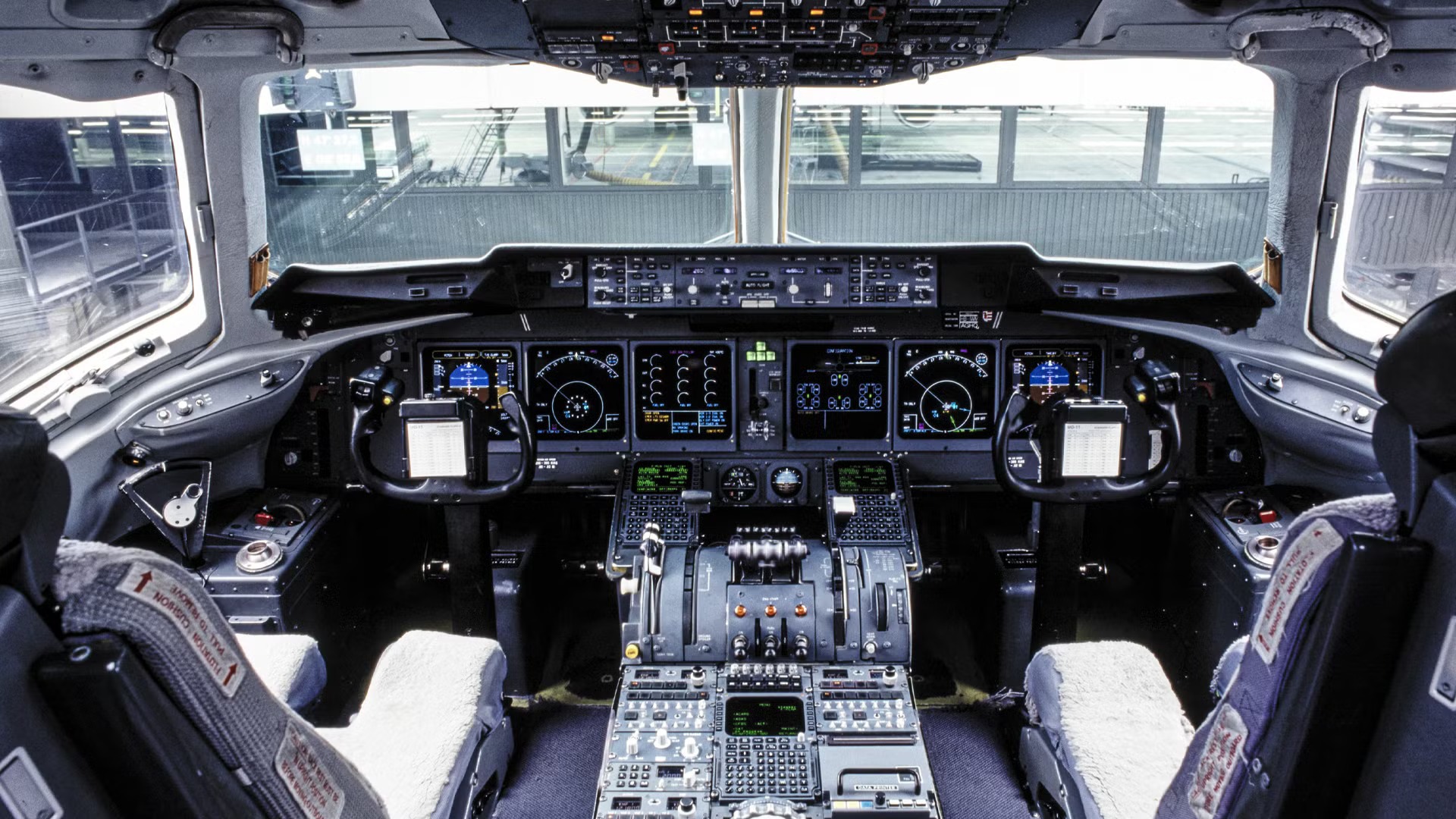
Il primo volo dell’MD-11 avvenne il 10 gennaio 1990 e l’aeroplano entrò inizialmente in servizio soprattutto nel mercato passeggeri, per poi trovare negli anni successivi la propria consacrazione definitiva nel settore cargo.
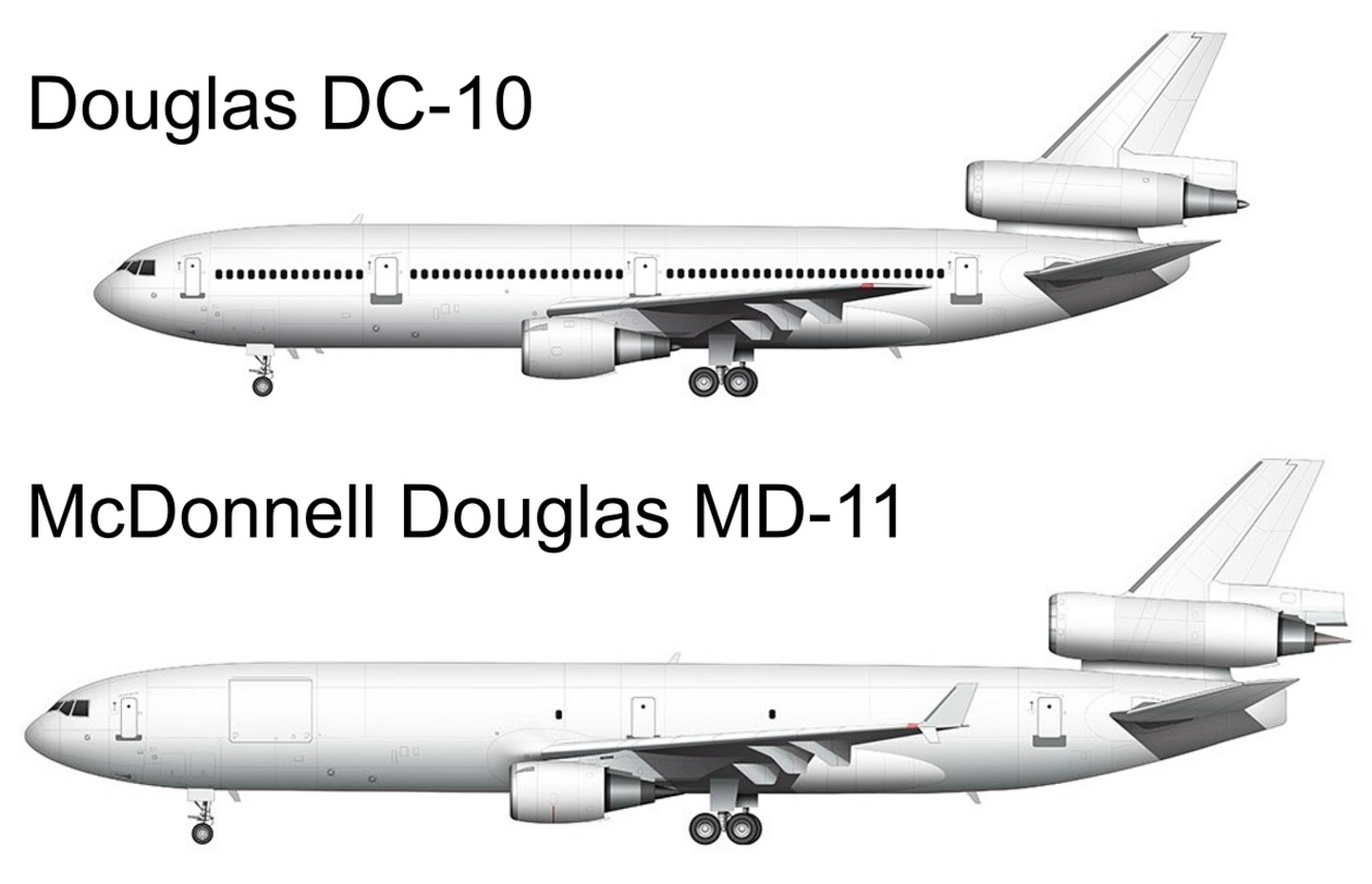
In quegli anni la configurazione trimotore era particolarmente apprezzata sulle rotte a lungo raggio perché, prima dell’espansione delle certificazioni ETOPS (Extended-range Twin-engine Operations Performance Standards) per i bimotori, consentiva di operare tratte oceaniche con minori limitazioni operative rispetto ai twin-engine dell’epoca. Il concetto di ETOPS, infatti, non era ancora pienamente integrato nello scheletro operativo dell’aviazione moderna.
Con l’arrivo di velivoli come il Boeing 777 e l’Airbus A330, però, l’MD-11 iniziò a risultare meno competitivo sul mercato passeggeri: i consumi erano più elevati e i costi operativi maggiori, rendendo il trijet meno conveniente da operare per le compagnie aeree.
Il mondo cargo, la vera dimensione dell' MD-11
Fu però il settore cargo a consacrare definitivamente l’MD-11. Quello che nel mercato passeggeri era diventato un aereo difficile da sostenere economicamente, nel trasporto merci si trasformò in una macchina quasi perfetta.
La combinazione tra enorme capacità di carico e lunga autonomia rese infatti l’MD-11F ideale per le operazioni cargo intercontinentali. Il velivolo poteva trasportare grandi quantità di merce su rotte lunghissime mantenendo performance elevate anche da aeroporti particolarmente complessi o in condizioni operative difficili.
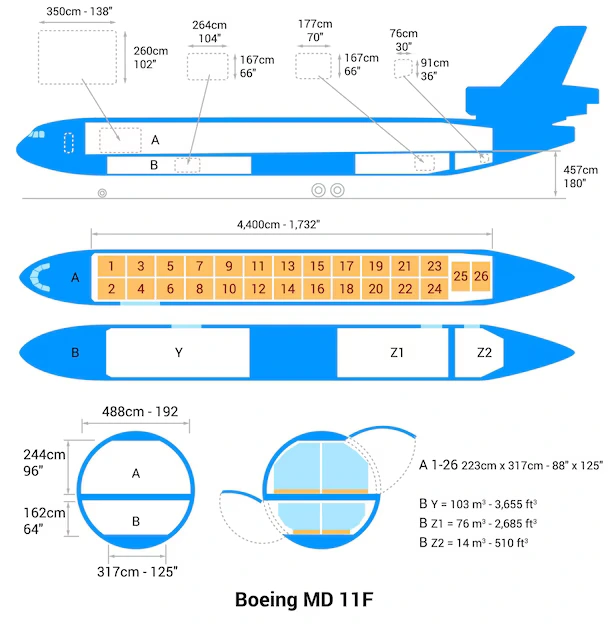
A fare la differenza era soprattutto la sua versatilità: l’MD-11F offriva un volume di carico molto elevato, consumi relativamente competitivi per l’epoca e la possibilità di operare su reti globali senza le limitazioni che caratterizzavano molti altri cargo della stessa generazione. Inoltre, il terzo motore garantiva ancora un forte vantaggio psicologico e operativo sulle tratte oceaniche negli anni in cui le normative ETOPS erano meno spinte rispetto a oggi.
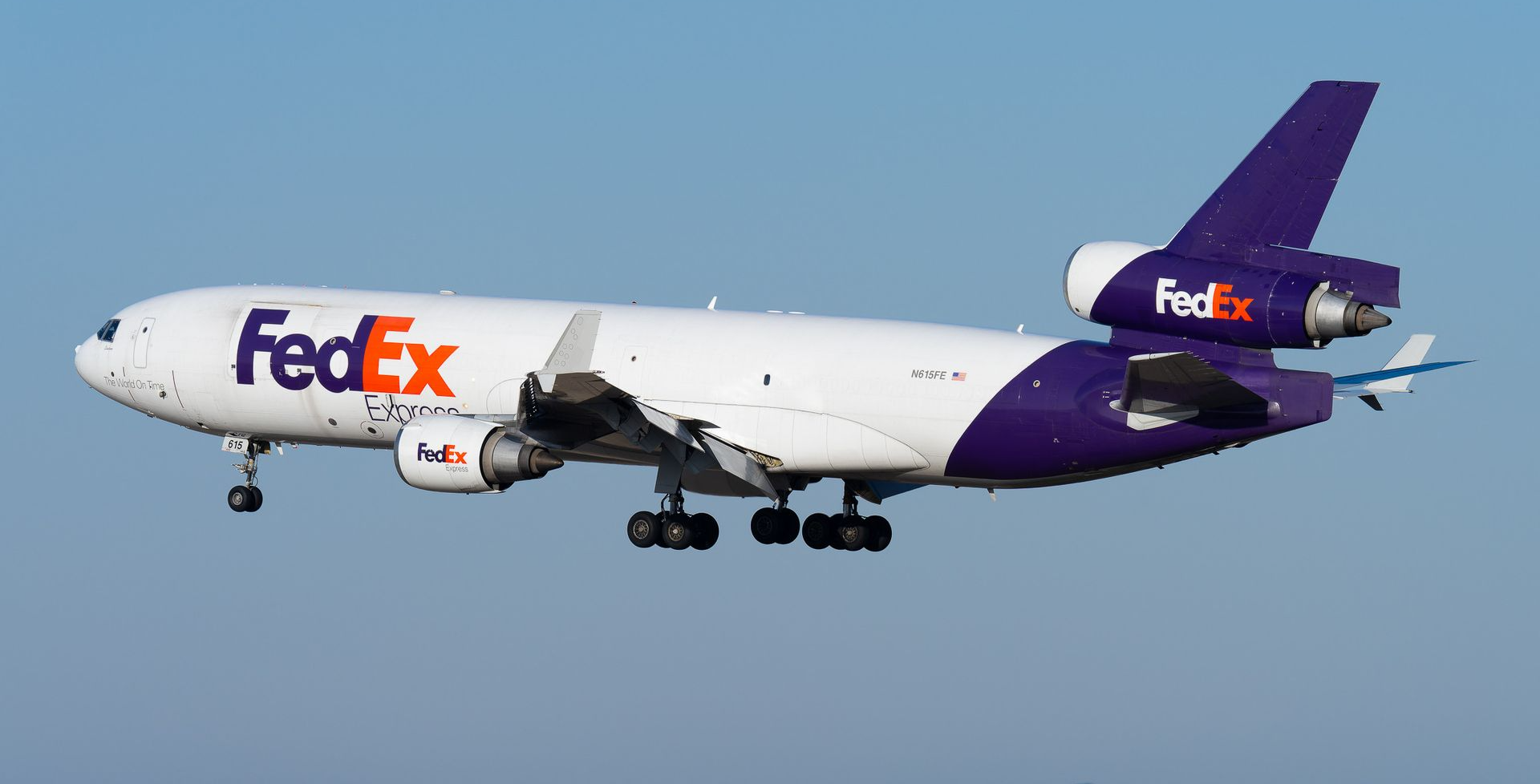
Colossi della logistica come FedEx e UPS costruirono intere operazioni attorno all’MD-11, trasformandolo rapidamente in uno dei simboli del trasporto merci globale. Per anni, vedere la caratteristica silhouette del trijet parcheggiata negli hub cargo di mezzo mondo significava assistere al cuore pulsante della logistica internazionale.
Basti pensare ai numeri: migliaia di voli ogni settimana, milioni di tonnellate trasportate e centinaia di aeroporti collegati attraverso una rete globale praticamente continua. Dalle grandi metropoli ai principali hub merci intercontinentali, l’MD-11F arrivava ovunque, diventando una presenza familiare nei cieli di tutto il mondo.
Il peso dell’età sugli aeroplani
Nel settore aeronautico, però, il tempo rappresenta inevitabilmente una sfida.
Molti degli MD-11F ancora operativi hanno ormai superato i trent’anni di servizio. Questo, di per sé, non costituisce automaticamente un problema in termini di sicurezza: l’aviazione è abituata a mantenere perfettamente efficienti velivoli ben più anziani.
Basti pensare al Boeing B-52 Stratofortress o ai KC-135 Stratotanker della United States Air Force, entrati in servizio decenni fa e ancora oggi pienamente operativi grazie a programmi di manutenzione estremamente rigorosi.
L’invecchiamento delle flotte, però, rappresenta una sfida comune a gran parte dell’industria aeronautica e non riguarda esclusivamente l’MD-11. Con il passare degli anni, qualsiasi aeroplano accumula inevitabilmente stress strutturali che richiedono controlli sempre più approfonditi e sofisticati, soprattutto nelle aree maggiormente soggette alla cosiddetta “fatica del metallo”.
Ogni decollo e ogni atterraggio sottopongono la cellula a enormi variazioni di carico. A questi si aggiungono migliaia di cicli di pressurizzazione, vibrazioni continue generate dai motori e sollecitazioni aerodinamiche che, nel corso del tempo, producono microstress sulla struttura dell’aereo.
Dopo decine di migliaia di cicli operativi, alcuni componenti possono iniziare a sviluppare minuscole fratture microscopiche conosciute come “fatigue cracks”. Nella maggior parte dei casi si tratta di difetti invisibili a occhio nudo, ma che, se non individuati tempestivamente, possono propagarsi lentamente all’interno della struttura.
È proprio qui che entrano in gioco le ispezioni programmate: controlli estremamente dettagliati che permettono ai tecnici di identificare e correggere eventuali anomalie prima che possano trasformarsi in un rischio reale per la sicurezza del volo.
Con l’avanzare dell’età media delle flotte, tuttavia, aumenta inevitabilmente anche la possibilità che emergano fenomeni di usura inattesi o problematiche difficili da prevedere in fase progettuale. Ed è esattamente questo tipo di scenario che, negli ultimi anni, ha riportato l’MD-11 al centro dell’attenzione dell’industria aeronautica.
Il disastro del 4 novembre 2025

Ed è esattamente ciò che accadde il 4 novembre 2025.
Un MD-11F N259UP operato da UPS decollò da Louisville, uno degli hub logistici più importanti degli Stati Uniti, con destinazione Honolulu.
Pochi secondi dopo la rotazione, il motore sinistro subì un cedimento strutturale tale da provocarne il completo distacco dalla semiala. Il velivolo si inclinò violentemente verso sinistra, rendendo impossibile ai piloti recuperare il controllo.
L’aereo impattò al suolo pochi secondi dopo, qualche metro oltre il sedime aeroportuale, terminando la propria corsa all’interno di un’area industriale adiacente all’aeroporto e lasciando dietro di sé una vasta scia di detriti, fuoco e distruzione.
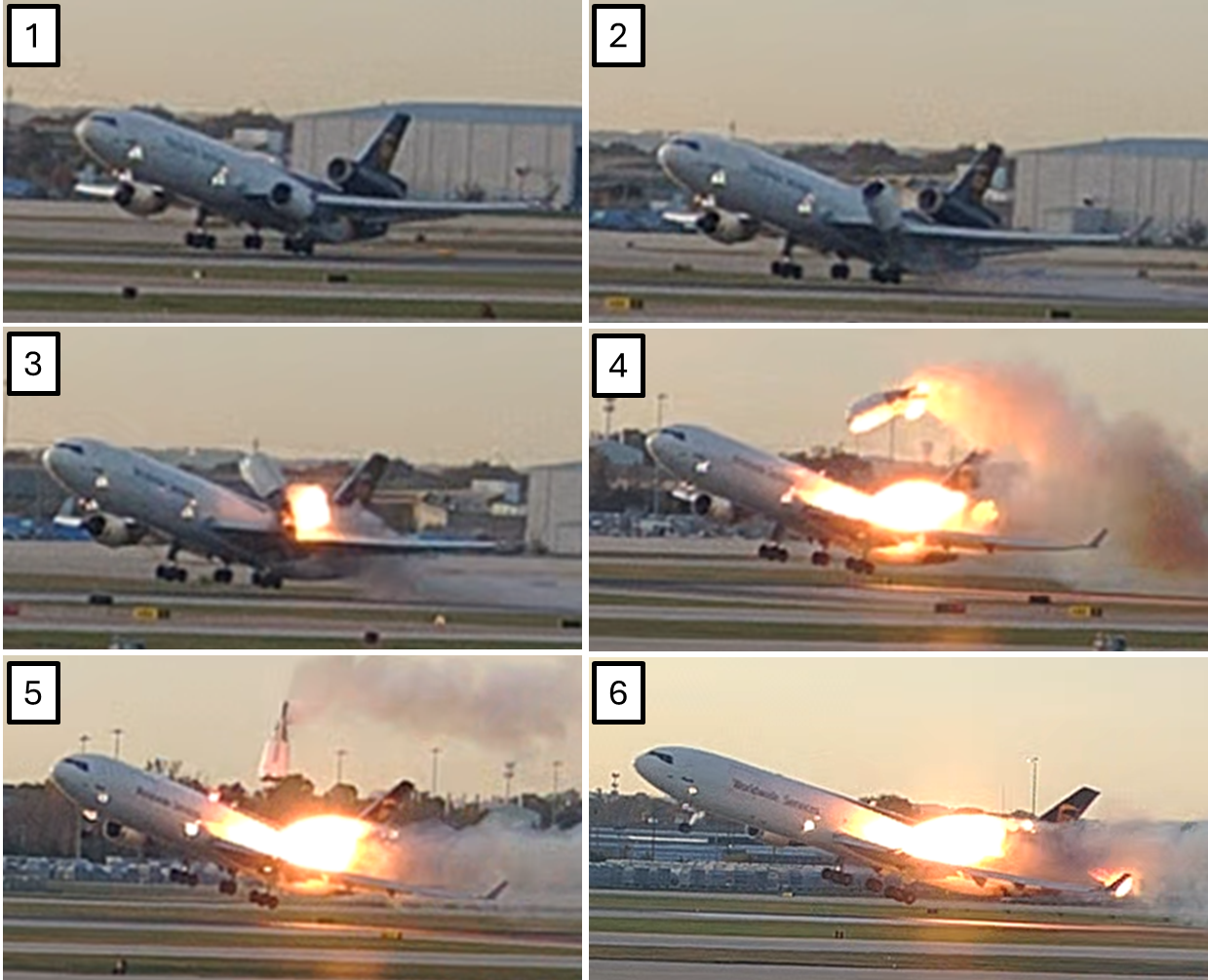
L’impatto mediatico fu immediato e globale, non solo per la gravità dell’incidente, ma anche per le immagini circolate nei giorni successivi, che mostravano chiaramente il completo distacco del motore dalla struttura alare.
Per la comunità aeronautica, però, la dinamica dell’evento sollevò interrogativi più ampi: non poteva essere trattato come un caso isolato, ma come un possibile segnale di una vulnerabilità sistemica nell’intera flotta MD-11F ancora in servizio. Nel giro di poche ore, Boeing, responsabile del supporto tecnico del programma dopo l’acquisizione di McDonnell Douglas e la Federal Aviation Administration emisero una raccomandazione di grounding precauzionale per tutti gli MD-11 operativi.
Le principali compagnie cargo, tra cui UPS e FedEx, sospesero immediatamente le operazioni della flotta, creando un vuoto improvviso nella rete globale del trasporto merci e aprendo una delle crisi operative più delicate mai affrontate dal settore cargo moderno.
Nel frattempo, il National Transportation Safety Board aprì immediatamente un’inchiesta per chiarire le cause dell’incidente e valutare le condizioni di sicurezza degli altri MD-11F ancora in servizio.
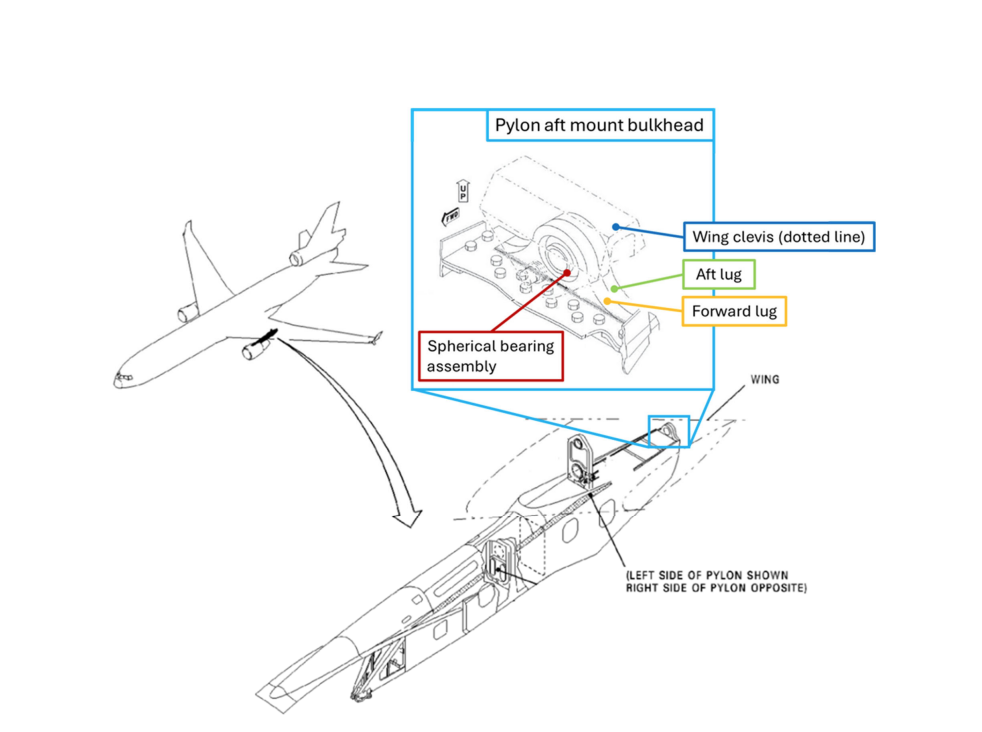
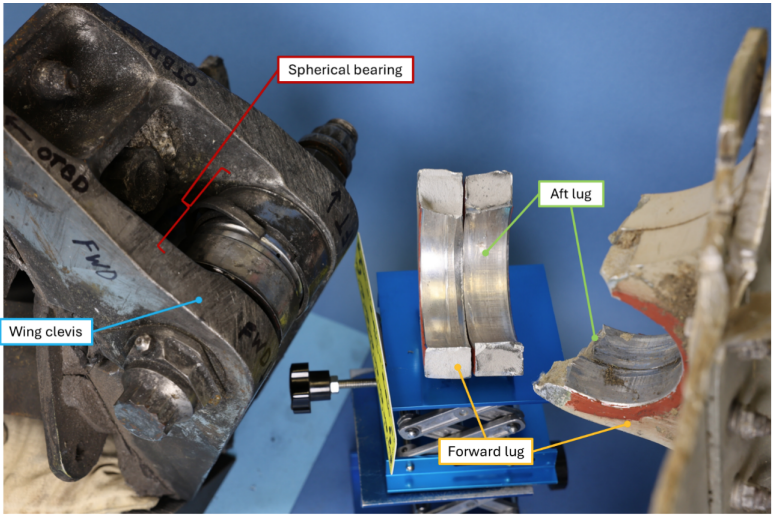
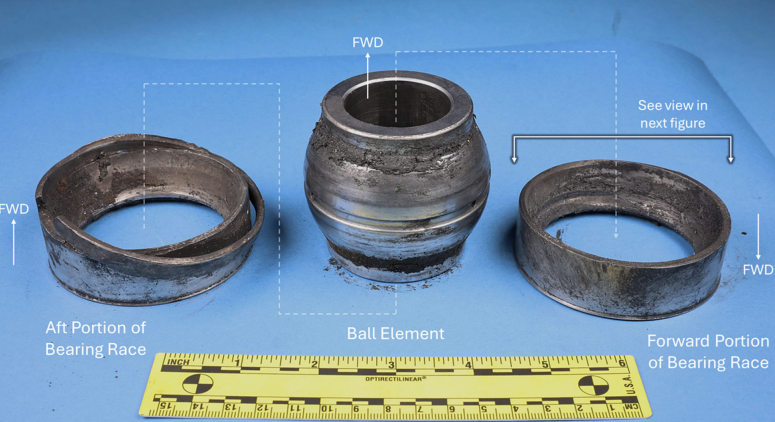
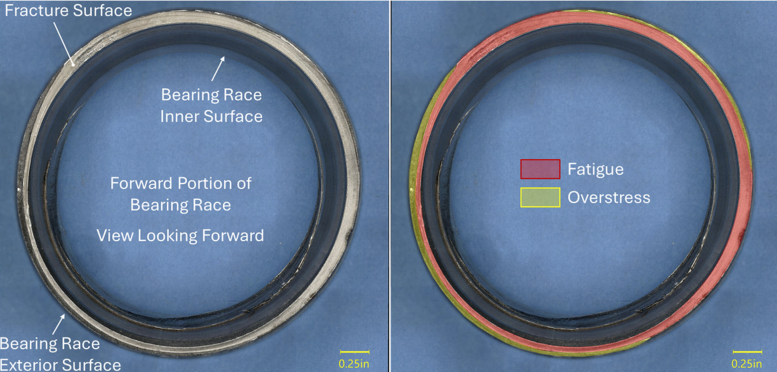
Le indagini si concentrarono in particolare sull’engine mount, la struttura responsabile del collegamento tra il motore e la semiala. Già dalle prime evidenze del preliminary report emerse un possibile punto critico nel cosiddetto “bearing race”, un componente chiave del sistema di supporto soggetto a carichi estremi durante ogni ciclo di volo. Le analisi metallurgiche successive evidenziarono la presenza di avanzate cricche da fatica, sviluppatesi nel tempo fino a compromettere progressivamente l’integrità strutturale del componente.
Il cedimento finale risultò quindi essere l’esito di un degrado progressivo, difficile da rilevare senza ispezioni estremamente approfondite e mirate.
Il caos nella logistica globale
L’MD-11F rappresentava ancora un asset fondamentale per il settore cargo, non soltanto per le singole compagnie, ma per l’intera catena logistica statunitense e globale. La sua improvvisa indisponibilità generò un effetto a catena immediato: rotte cancellate, hub sovraccarichi e tonnellate di merci in attesa di ripianificazione.
Il blocco delle operazioni causò ritardi diffusi in tutto il mondo, costringendo vettori e operatori logistici a riorganizzare rapidamente flussi che dipendevano da una capacità di trasporto a lungo raggio altamente specializzata. In poche ore, il sistema cargo si trovò a dover compensare una perdita improvvisa di capacità con mezzi alternativi e rotte ridisegnate.
Boeing lo sapeva già?

Durante l’inchiesta emerse un elemento particolarmente delicato: il costruttore era già a conoscenza di possibili criticità nell’area strutturale coinvolta nel cedimento.
Boeing aveva infatti emesso nel 2011 una service letter relativa a potenziali problemi nella sezione dell’engine mount dell’MD-11, segnalando la possibilità di deterioramento progressivo in condizioni di utilizzo prolungato. In passato erano stati osservati episodi isolati di usura e micro-danni strutturali, ma nessuno di questi era stato inizialmente classificato come una minaccia immediata alla sicurezza del volo.
Questo punto mette in evidenza un tema più ampio che va oltre il singolo modello: la difficoltà di interpretare correttamente i segnali precursori di failure nelle flotte invecchiate, dove piccoli fenomeni di degrado possono evolvere lentamente fino a diventare critici. Nel settore aeronautico, infatti, esiste una gerarchia molto precisa nella gestione delle anomalie tecniche.
Quando un problema è ritenuto marginale o non immediatamente pericoloso, il costruttore può emettere semplici comunicazioni tecniche o lettere informative, lasciando agli operatori il compito di monitorare la situazione nel tempo. Quando invece viene identificata una problematica più concreta, si passa ai cosiddetti Service Bulletin, documenti tecnici che descrivono in dettaglio ispezioni, controlli o modifiche consigliate per correggere il difetto individuato.
Nella maggior parte dei casi questi interventi non sono obbligatori per legge, ma vengono comunque adottati volontariamente dalle compagnie aeree per motivi prudenziali. Il livello successivo è rappresentato dalle Airworthiness Directives, emesse da autorità come la Federal Aviation Administration o l’European Union Aviation Safety Agency.
In questo caso le prescrizioni diventano vincolanti: modifiche, ispezioni o limitazioni operative sono obbligatorie e l’aeromobile non può continuare a volare senza conformarsi alla direttiva.
Il nodo centrale emerso nel caso MD-11 riguarda proprio questo passaggio critico: la difficoltà di determinare quando un’anomalia, inizialmente considerata gestibile o secondaria, debba essere rivalutata come rischio sistemico. In alcuni casi, infatti, la progressione del danno strutturale può essere lenta e poco evidente, fino a trasformarsi improvvisamente in un guasto catastrofico.
Il ritorno in volo dell’MD-11F
È probabile che un evento di questo tipo, come spesso accade nel settore aeronautico, abbia portato a cambiamenti significativi nel sistema di gestione della sicurezza.
Nel frattempo Boeing e la Federal Aviation Administration hanno lavorato congiuntamente per trovare una soluzione sicura che permettesse il ritorno operativo della flotta MD-11F.
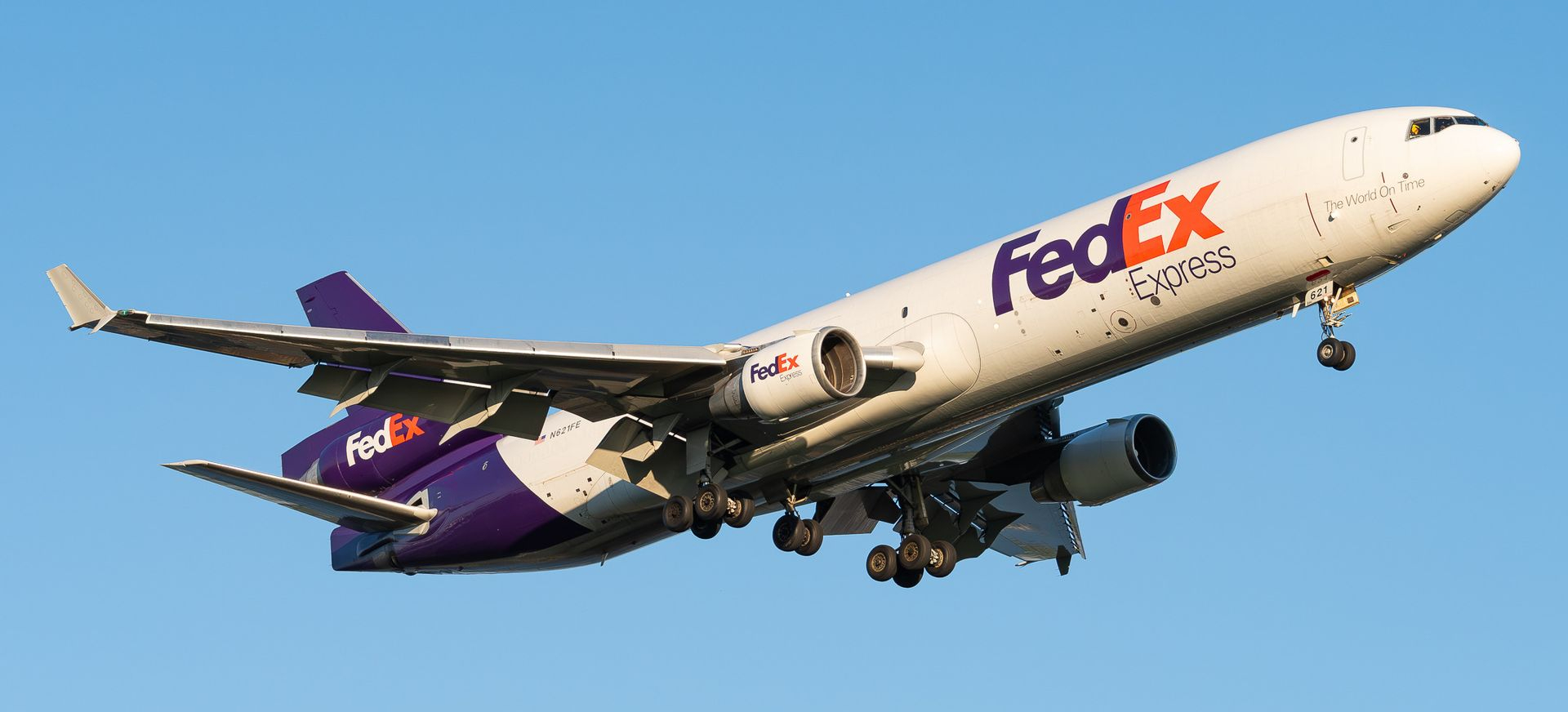
Il programma straordinario di revisione tecnica sviluppato da Boeing si è concentrato su più punti: miglioramento delle procedure ispettive, controlli più frequenti sugli engine mounts e redesign del componente difettoso per sostituire il bearing race originale.
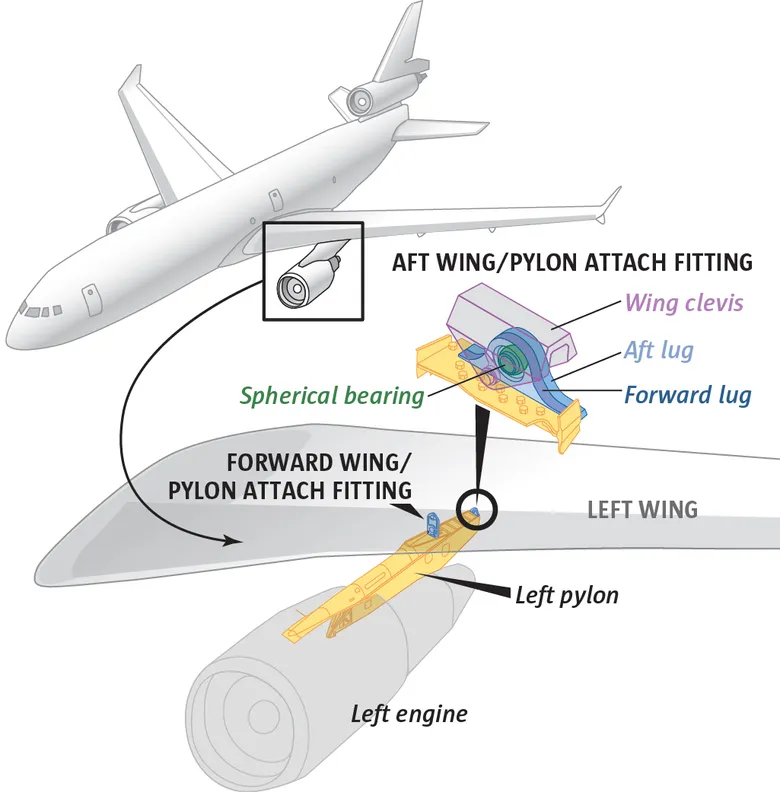
Il nuovo componente era stato progettato con l’obiettivo di ridurre significativamente il rischio di propagazione delle cricche da fatica, aumentandone la resistenza strutturale e la tolleranza ai carichi ciclici tipici delle operazioni cargo intensive.
A seguito della proposta di Boeing, la FAA aveva approvato una “means of compliance”, ovvero una procedura ufficiale che definiva tutti i requisiti tecnici e operativi necessari per autorizzare il ritorno in servizio degli aeromobili. Tra le prescrizioni erano state incluse ispezioni obbligatorie periodiche, sostituzioni preventive di componenti soggetti a usura, controlli approfonditi sugli attacchi motore e nuovi limiti operativi e manutentivi.
Solo con il completamento di queste procedure gli MD-11F sono potuti tornare a volare.
FedEx e UPS: due strategie opposte

Si è così delineata una netta divergenza strategica tra le due principali compagnie operatrici dell’MD-11F.
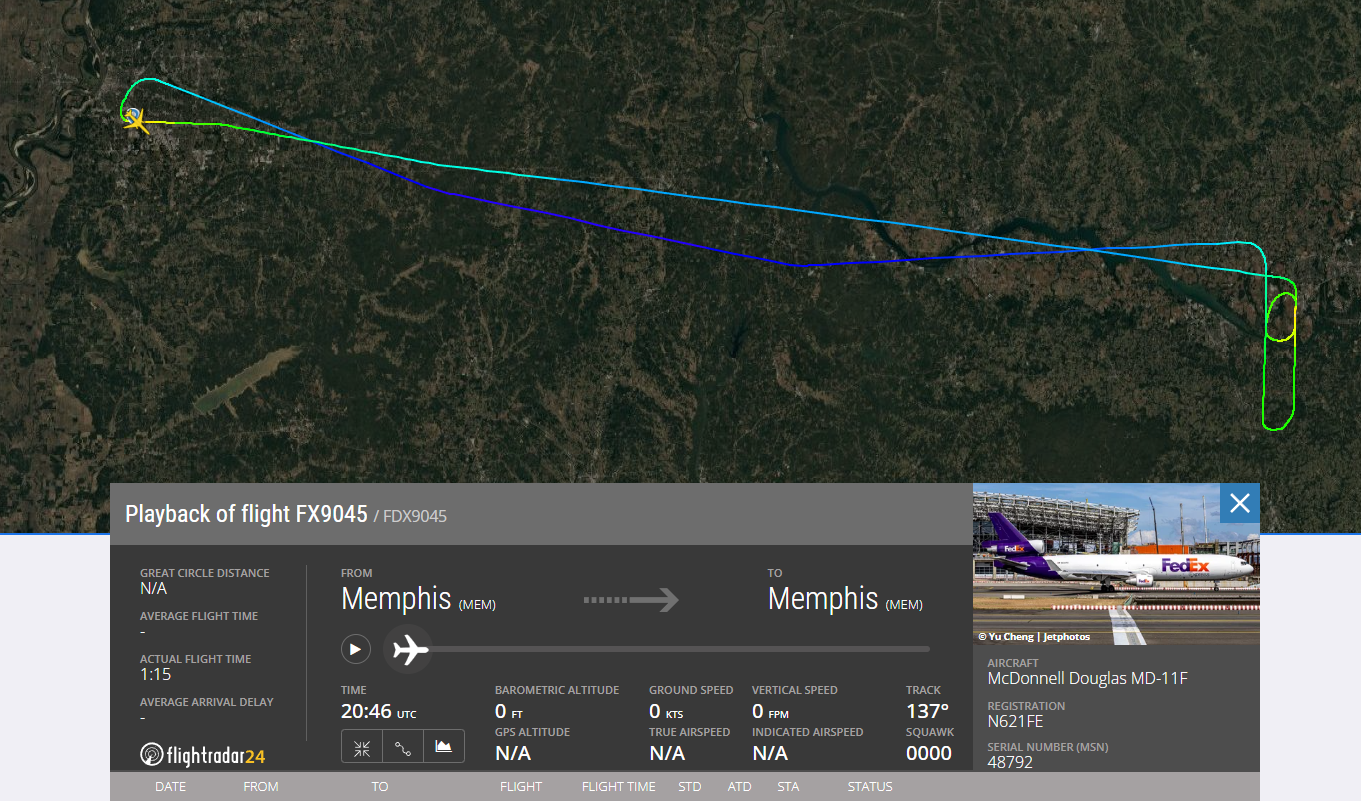
Da un lato, FedEx ha scelto di mantenere in servizio una parte della propria flotta, riportando in volo alcuni velivoli dopo aver implementato tutte le modifiche richieste dalla FAA. La sostituzione completa dell’MD-11F, infatti, comporterebbe costi estremamente elevati, mentre questo aereo continua a garantire una capacità cargo ancora fondamentale per le operazioni dell’azienda.
Dall’altro lato, UPS ha optato per un’accelerazione del phase-out della propria flotta MD-11F, puntando progressivamente su aeromobili più moderni ed efficienti come il Boeing 767, meglio adattato alle esigenze operative attuali.
Questa scelta segna simbolicamente un ulteriore passo verso il tramonto operativo dell’MD-11F, accompagnandolo verso una pensione lenta ma ormai sempre più inevitabile.
Le ultime leggende dei cieli
I cieli vedranno ancora in volo uno degli aeroplani più iconici mai costruiti, simbolo di una categoria di velivoli che continua a incarnare la filosofia costruttiva degli anni Ottanta: grande capacità di carico, autonomia enorme e straordinaria robustezza.
Una filosofia progettuale ormai rara negli aeroplani da trasporto moderni, che rende queste icone volanti delle autentiche leggende immortali.
ENG Variant
The Last Great Trijet Still in Service
The MD-11, an aircraft that for more than thirty years represented a cornerstone of global cargo transportation, found itself facing a crisis that, in some ways, recalled what had happened to its predecessor: the DC-10.
The path required to bring it back into service was long, expensive and, at times, surprising. But to truly understand how important this aircraft is to the cargo world, it is necessary to explore its history.
The Birth of the MD-11 and the Era of Trijets
The MD-11 was born in the late 1980s as a direct evolution of the DC-10 produced by McDonnell Douglas, with the goal of creating a more modern, efficient and technologically advanced long-range widebody aircraft compared to its predecessor. This aircraft marked a new chapter in the “trijet” lineage that began with the Boeing 727 in 1963.
Although aesthetically very similar, the DC-10 and MD-11 featured profound differences. The MD-11 was approximately 5.7 meters longer than the DC-10/30, had a greater wingspan and introduced distinctive winglets at the tips of the wings, designed to reduce aerodynamic drag and improve fuel efficiency. The engines were also more powerful and modern, allowing the aircraft to increase range, payload and operational capability on intercontinental routes.
The aerodynamic modifications were far more radical than the external appearance suggested. The MD-11 adopted a significantly smaller horizontal stabilizer compared to the DC-10, approximately 30% smaller, a choice intended to reduce weight and drag. To compensate for the reduced stabilizing surface, McDonnell Douglas introduced electronic control systems such as the Longitudinal Stability Augmentation System (LSAS) and a sophisticated fuel transfer system to the tail in order to optimize the aircraft’s center of gravity during flight.
One of the most important changes, however, concerned the avionics. The MD-11 introduced a fully digital cockpit with six CRT (cathode ray tube) displays, advanced flight management systems and a cockpit designed to be operated by only two pilots, eliminating the flight engineer position required on the DC-10. At the time, this represented an enormous technological leap, bringing the aircraft closer to the new generation of “glass cockpit” airliners that would dominate the 1990s.
However, these evolutions also made the MD-11 a very different aircraft from the DC-10 in terms of flight behavior. Many pilots described the DC-10 as more stable and forgiving, while the MD-11 was considered more “sensitive,” especially during landing phases. The combination of the stretched fuselage, reduced tailplane and more sophisticated control systems made the aircraft less tolerant of piloting errors, contributing over the years to the aircraft’s complex reputation.
The MD-11 made its maiden flight on January 10, 1990, initially entering service primarily in the passenger market before later finding its definitive role in the cargo sector.
During those years, the trijet configuration was particularly appreciated on long-haul routes because, before the widespread expansion of ETOPS (Extended-range Twin-engine Operations Performance Standards) certifications for twin-engine aircraft, it allowed airlines to operate oceanic routes with fewer operational limitations compared to the twinjets of the era. The ETOPS concept had not yet become fully integrated into the operational framework of modern aviation.
However, with the arrival of aircraft such as the Boeing 777 and Airbus A330, the MD-11 gradually became less competitive in the passenger market: fuel consumption was higher and operational costs increased, making the trijet less economically viable for airlines.
The Cargo World, the True Dimension of the MD-11
It was the cargo sector that ultimately consecrated the MD-11. What had become an economically difficult aircraft to sustain in passenger service transformed into an almost perfect machine for freight transportation.
The combination of enormous cargo capacity and long range made the MD-11F ideal for intercontinental cargo operations. The aircraft could transport large quantities of freight over extremely long routes while maintaining strong performance even from particularly challenging airports or under difficult operating conditions.
Its versatility was what truly made the difference: the MD-11F offered very high cargo volume, relatively competitive fuel consumption for its era and the ability to operate across global networks without the limitations that affected many other cargo aircraft of the same generation. In addition, the third engine still provided a strong psychological and operational advantage on oceanic routes during years when ETOPS regulations were far less permissive than they are today.
Logistics giants such as FedEx and UPS built entire operations around the MD-11, quickly turning it into one of the symbols of global freight transportation. For years, seeing the characteristic silhouette of the trijet parked at cargo hubs around the world meant witnessing the beating heart of international logistics.
The numbers alone tell the story: thousands of flights every week, millions of tons transported and hundreds of airports connected through an almost continuous global network. From major metropolitan areas to the world’s largest intercontinental freight hubs, the MD-11F went everywhere, becoming a familiar presence in skies across the globe.
The Weight of Age on Aircraft
In aviation, however, time inevitably represents a challenge.
Many MD-11Fs still in operation have now exceeded thirty years of service. This alone does not automatically constitute a safety problem: aviation has long been accustomed to maintaining aircraft far older than this in perfectly efficient condition.
One only has to think of the Boeing B-52 Stratofortress or the KC-135 Stratotanker, which entered service decades ago and remain fully operational today thanks to extremely rigorous maintenance programs.
The aging of fleets, however, represents a common challenge across much of the aviation industry and does not concern the MD-11 alone. As years pass, every aircraft inevitably accumulates structural stress that requires increasingly thorough and sophisticated inspections, especially in areas more susceptible to what is commonly known as “metal fatigue.”
Every takeoff and landing subjects the airframe to enormous load variations. Added to this are thousands of pressurization cycles, continuous engine-generated vibrations and aerodynamic stresses that, over time, create micro-stresses within the aircraft structure.
After tens of thousands of operational cycles, some components may begin developing microscopic fractures known as “fatigue cracks.” In most cases, these defects are invisible to the naked eye, but if not identified promptly, they can slowly propagate through the structure.
This is where scheduled inspections become critical: extremely detailed checks that allow technicians to identify and correct anomalies before they can evolve into a real safety threat.
As fleet age increases, however, the likelihood of unexpected wear phenomena or structural issues that were difficult to predict during the design phase inevitably grows. And this is precisely the kind of scenario that, in recent years, brought the MD-11 back to the center of attention within the aviation industry.
The November 4, 2025 Disaster
And that is exactly what happened on November 4, 2025.
An MD-11F registered N259UP and operated by UPS departed from Louisville, one of the most important logistics hubs in the United States, bound for Honolulu.
Only seconds after rotation, the left engine suffered a structural failure severe enough to cause its complete separation from the wing. The aircraft rolled violently to the left, making it impossible for the pilots to regain control.
The aircraft crashed seconds later just beyond the airport perimeter, coming to rest inside an industrial area adjacent to the airport and leaving behind a massive trail of debris, fire and destruction.
The media impact was immediate and global, not only because of the severity of the accident, but also due to the images circulated in the following days, which clearly showed the engine completely detached from the wing structure.
For the aviation community, however, the dynamics of the accident raised broader questions: this could not be treated as an isolated case, but rather as a potential sign of a systemic vulnerability within the entire MD-11F fleet still in service. Within hours, Boeing, responsible for technical support of the program following the acquisition of McDonnell Douglas, and the Federal Aviation Administration issued a precautionary grounding recommendation for all operational MD-11 aircraft.
Major cargo operators, including UPS and FedEx, immediately suspended fleet operations, creating a sudden void within the global freight transportation network and triggering one of the most delicate operational crises ever faced by the modern cargo industry.
Meanwhile, the National Transportation Safety Board immediately launched an investigation to clarify the causes of the accident and assess the safety conditions of the remaining MD-11Fs still in operation.
The investigation focused particularly on the engine mount, the structure responsible for connecting the engine to the wing. Early findings from the preliminary report revealed a possible critical weakness in the so-called “bearing race,” a key support-system component subjected to extreme loads during every flight cycle. Subsequent metallurgical analysis revealed the presence of advanced fatigue cracks that had progressively compromised the structural integrity of the component over time.
The final failure was therefore determined to be the result of progressive degradation, difficult to detect without extremely detailed and targeted inspections.
Chaos in Global Logistics
The MD-11F still represented a fundamental asset for the cargo industry, not only for individual companies but for the entire American and global logistics chain. Its sudden unavailability immediately generated a domino effect: canceled routes, overloaded hubs and tons of freight awaiting rescheduling.
The grounding caused widespread delays worldwide, forcing carriers and logistics operators to rapidly reorganize traffic flows that depended on highly specialized long-range cargo capacity. Within hours, the cargo system was forced to compensate for the sudden loss of transport capability using alternative aircraft and redesigned routes.
Did Boeing Already Know?
During the investigation, a particularly delicate element emerged: the manufacturer was already aware of possible critical issues in the structural area involved in the failure.
In fact, Boeing had issued a service letter in 2011 regarding potential problems in the MD-11 engine mount section, highlighting the possibility of progressive deterioration under prolonged operational conditions. In the past, isolated episodes of wear and micro-structural damage had been observed, but none had initially been classified as an immediate threat to flight safety.
This point highlights a broader issue extending beyond the single aircraft model: the difficulty of correctly interpreting precursor signals of failure within aging fleets, where small degradation phenomena can slowly evolve into critical conditions.
Within aviation, a very precise hierarchy exists for managing technical anomalies.
When a problem is considered minor or not immediately dangerous, manufacturers may issue simple technical communications or informational letters, leaving operators responsible for monitoring the situation over time.
When a more concrete issue is identified, manufacturers move to so-called Service Bulletins, technical documents describing inspections, checks or recommended modifications to correct identified defects.
In most cases, these actions are not legally mandatory, but airlines still voluntarily adopt them as a precautionary measure.
The next level consists of Airworthiness Directives issued by authorities such as the FAA or the European Union Aviation Safety Agency.
At this stage, requirements become mandatory: modifications, inspections or operational limitations are legally binding, and aircraft cannot continue flying without complying with the directive.
The central issue that emerged in the MD-11 case concerns precisely this critical transition: the difficulty of determining when an anomaly initially considered manageable or secondary should instead be reevaluated as a systemic risk. In some cases, structural damage progression can remain slow and subtle until it suddenly evolves into a catastrophic failure.
The Return of the MD-11F
It is likely that an event of this magnitude, as often happens in aviation, led to significant changes within the safety management system.
Meanwhile, Boeing and the FAA worked together to find a safe solution that would allow the MD-11F fleet to return to service.
The extraordinary technical review program developed by Boeing focused on multiple areas: improved inspection procedures, more frequent checks on engine mounts and redesign of the defective component to replace the original bearing race.
The new component was designed specifically to significantly reduce the risk of fatigue crack propagation while increasing structural resistance and tolerance to the cyclic loads typical of intensive cargo operations.
Following Boeing’s proposal, the FAA approved a “means of compliance,” an official procedure defining all technical and operational requirements necessary to authorize the return to service of the aircraft.
The requirements included mandatory periodic inspections, preventive replacement of wear-prone components, in-depth engine mount inspections and new operational and maintenance limitations.
Only after completing these procedures were the MD-11Fs allowed to fly again.
FedEx and UPS: Two Opposite Strategies
A clear strategic divergence then emerged between the two main MD-11F operators.
On one side, FedEx chose to keep part of its fleet in service, returning several aircraft to operation after implementing all FAA-required modifications. Completely replacing the MD-11F fleet would involve extremely high costs, while the aircraft still provides cargo capacity considered essential for the company’s operations.
On the other side, UPS opted to accelerate the phase-out of its MD-11F fleet, progressively focusing on more modern and efficient aircraft such as the Boeing 767, better suited to current operational requirements.
This decision symbolically marks another step toward the operational sunset of the MD-11F, accompanying it toward a slow but increasingly inevitable retirement.
The Last Legends of the Skies
The skies will still see one of the most iconic aircraft ever built in flight, a symbol of an aircraft category that continues to embody the engineering philosophy of the 1980s: enormous cargo capacity, exceptional range and extraordinary structural robustness.
A design philosophy now increasingly rare among modern transport aircraft, making these flying icons true immortal legends.
- Crediti fotografici a cura di: NTSB National Transportation Safety Board
- Crediti fotografici a cura di: Bill Kerrigan
- Crediti fotografici a cura di: KnightHammer Aviation
- Crediti fotografici a cura di: Diao Yuantu Aviation
- Tracce di volo fornite da: Flight Radar 24